Mary Berry is known as a trusted name in British baking, and her pork pies are seen as a gold standard by many cooks.
I love how the Mary Berry Pork Pie shows what true British comfort food should be.
A few years ago, I read about her classic pie while looking for real British dishes to cook at home. I wanted a pie that felt old-style and simple to follow. This recipe gave me both.
This post helps you learn how to cook an authentic pork pie at home using clear, easy steps. I will show how the pastry holds the rich pork filling and why this recipe has stayed popular for many years.
By the end, you will know how to prepare a classic pork pie using simple tools and basic ingredients found in most US kitchens.

What Is Mary Berry Pork Pie
Mary Berry built her name on traditional British recipes. She’s been teaching people to bake for decades.
Her pork pie recipe gets thousands of searches every month. People trust her methods because they work every time.
Berry’s version respects traditional methods—hand-cut meat, proper seasoning, and that essential jelly layer – while making the process accessible to home bakers.
This combination of authenticity and approachability explains why her recipe remains the most sought-after version for anyone wanting to bake a real British pork pie.
What Makes Mary Berry’s Pork Pie Different
Home cooks prefer Mary’s version because it balances proper seasoning with pastry that stays crispy.
The hand-cut meat filling creates better texture than ground alternatives, while her measured jelly addition keeps the pie moist without being soggy.
- Balance of seasoning: Salt and bacon flavor work together without overwhelming the pork
- Pastry thickness and structure: Thin, crisp walls that hold up without crumbling
- Filling texture: Hand-cut bacon and pork create a chunky, satisfying bite
- Traditional jelly usage: Proper amount added through the top hole, not excessive
- Comparison to modern shortcuts: Uses real ingredients and technique instead of quick fixes
Mary Berry Pork Pie Ingredients
For the Hot Water Pastry:
- All-purpose flour (3 cups/375g) — Forms the base structure of pastry dough. Bread flour adds chewiness; cake flour creates tenderness but requires adjustments.
- Salt (1 teaspoon/6g) — Enhances flavor throughout the dough and balances richness. Kosher salt works but measure by weight for accuracy.
- Lard (½ cup/113g) — Creates flaky, tender pastry texture with authentic flavor. Vegetable shortening produces lighter results; butter alone makes tougher pastry.
- Butter (½ cup/113g) — Adds richness and savory taste to the dough. Coconut oil creates similar texture but changes flavor profile noticeably.
- Water (¾ cup/180ml) — Must be hot to activate the pastry properly. Chicken or vegetable stock adds subtle flavor depth instead.
- Egg yolk (1 for egg wash) — Creates golden, glossy pastry finish during baking. Whole egg works but produces less even browning on surface.
The Filling:
- Streaky unsmoked bacon (7 oz/200g) — Adds fat and subtle flavor without overwhelming pork. Smoked bacon overpowers; pancetta adds Italian twist instead.
- Pork loin (1 lb 5 oz/600g) — Tender, lean meat providing the main flavor component. Ground pork changes texture; shoulder adds fat but becomes mushy.
- Onion (1 small, finely chopped) — Adds sweetness and aromatic depth to filling. Shallots provide milder flavor; leeks add different sweetness profile.
- Fresh parsley (small bunch, chopped) — Brings brightness and herbal freshness throughout meat mixture. Sage adds earthiness; thyme creates different herb character entirely.
- Salt and black pepper (to taste) — Essential seasonings that balance and enhance all flavors. White pepper adds subtle difference; sea salt intensifies mineral notes.
- Ground mace (¼ teaspoon, optional) — Adds warm spice complexity without overpowering pork flavor. Nutmeg works but tastes stronger; allspice brings different warm notes.
For the Jelly:
- Pork or chicken bones (1 lb/500g) — Creates gelatin-rich stock that sets properly when cooled. Beef bones produce darker, stronger stock; veal adds delicate flavor.
- Onion (1 small, quartered) — Adds sweetness and depth to the stock base. Shallots produce milder flavor; garlic cloves create different aromatic profile.
- Carrots (2, chopped) — Contribute natural sweetness and subtle earthy flavor to stock. Parsnips add nuttiness; celery root creates different vegetable sweetness note.
- Celery stalks (2, chopped) — Add aromatic depth and clean vegetable flavor to broth. Fennel adds licorice notes; leeks contribute mild onion sweetness instead.
- Water (4 cups/1 liter) — Extracts flavor and gelatin from bones during simmering. Chicken stock adds body; vegetable stock creates lighter, cleaner result.
- Salt and pepper (to taste) — Balances and enhances all stock flavors throughout cooking. White pepper adds subtlety; sea salt intensifies mineral character noticeably.
- Gelatin powder (½ oz/7g, if store-bought) — Sets the jelly firm without relying on bone collagen. Agar agar creates vegan option; isinglass adds traditional clarity effect.
Kitchen Tools You Need for This Recipe
- Straight-sided pie tins – firm shape
- Rolling pin – even pastry
- Mixing bowl – filling blend
- Sharp knife – clean cuts
- Saucepan – hot water crust
- Baking tray – steady bake
- Parchment paper – easy release
How to Make Mary Berry Pork Pie
Step 1 | Make the Hot Water Pastry
Put the flour and salt in a large bowl. In a small saucepan, heat the water, butter, lard, and salt over medium heat until fully melted.
Pour the hot mixture into the flour. Stir with a wooden spoon until a dough forms. Let it cool slightly, then knead gently until smooth and pliable. Use the pastry while it’s still warm for best results.
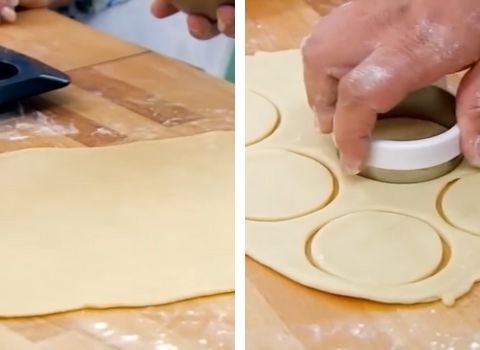
Step 2 | Line the Pie Tins
Divide the dough into six equal portions. Roll each piece between two sheets of parchment paper to about ⅛-inch thick.
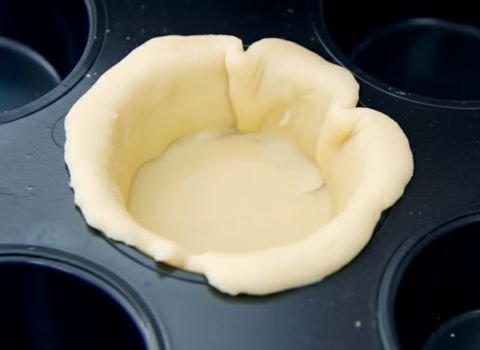
Press the pastry into the pie tins, covering the base and sides evenly. Trim excess pastry, leaving about ½ inch overhang for sealing. Press firmly to remove air pockets and keep the thickness even.
Step 3 | Prepare the Filling
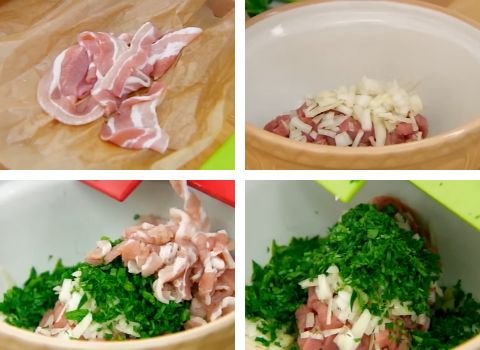
Chop the pork loin and bacon into small, even pieces by hand. Finely dice the onion and parsley. Place everything in a bowl and mix well so the ingredients are evenly distributed.
Season generously with salt and pepper. Fry a small spoonful to taste and adjust seasoning if needed.
Step 4 | Fill the Pies
Spoon the pork mixture into the pastry-lined tins. Pack it in gently but firmly. Fill just below the rim to leave space for the lids. Brush the pastry edges with beaten egg yolk to help seal.

Step 5 | Add the Pastry Lids
Roll out the remaining pastry to ⅛-inch thickness. Cut six lids slightly larger than the tins. Place the lids on top and seal the edges firmly with your fingers or a fork. Cut a small hole in the center of each lid using a piping nozzle.

Step 6 | Chill Before Baking
Place the assembled pies on a lined baking tray. Refrigerate for 30 minutes. This helps firm the pastry and prevents shrinking during baking.
Step 7 | Bake the Pies
Preheat the oven to 375°F (190°C). Brush the tops with beaten egg yolk. Bake for 45–50 minutes until golden brown and the internal temperature reaches 160°F (71°C). Remove from the oven and let cool slightly.

Step 8 | Make the Jelly
While the pies bake, simmer pork bones with onion, carrot, and celery in water for about 45 minutes.
Strain the stock through a fine sieve. Dissolve gelatin powder into the warm stock according to package instructions. Let the jelly cool to room temperature.

Step 9 | Pour in the Jelly
Using a small funnel, slowly pour the cooled jelly through the hole in each pie. Pour carefully until the jelly reaches just below the crust. Pause between pours to allow it to settle and avoid overflow.

Step 10 | Cool and Set
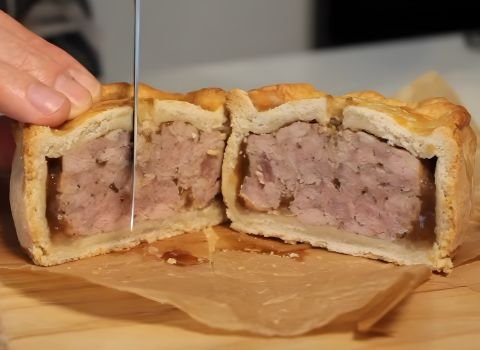
Let the pies cool completely on a wire rack. Refrigerate for at least 4 hours or overnight. This allows the jelly to fully set and the flavors to develop. Serve and enjoy your homemade Mary Berry Pork Pie Recipe.
Chef’s Notes & Helpful Tips
- Hand-Cut Meat for Authentic Texture: Cutting the pork and bacon by hand gives the pie a firmer, traditional texture. Ground meat releases more fat and can make the filling dense or greasy.
- Reheat Pastry If It Becomes Difficult to Shape: Hot water pastry firms up as it cools. If it cracks or resists shaping, warm it briefly to restore flexibility instead of forcing it.
- Roast Bones for Deeper Jelly Flavor: Roasting pork bones before simmering adds richer color and a deeper savory taste to the jelly, improving both appearance and flavor.
- Avoid Hot Jelly in the Pies: Always let the jelly cool to room temperature before pouring. Warm jelly can soften the pastry and cause greasy patches around the filling.
What to Serve With Mary Berry Pork Pie
Pork pie is often served cold or slightly cool. Slice into wedges and place on a simple plate. It pairs well with mustard, pickles, or light salad. The firm pastry and rich filling work best when chilled fully before slicing.
- Piccalilli or Branston Pickle: Branston pickle or piccalilli are classic partners for pork pie. You will love how the sweet and tangy flavor cuts through the rich pork. The acidity balances the buttery pastry perfectly.
- Mixed Green Salad: Fresh lettuce, cucumber, and tomatoes make a light and refreshing side. You will enjoy how the crisp vegetables contrast with the dense pie.
- Crusty Bread and Butter: Thick slices of bread with good butter are a comforting match. You will appreciate how the bread soaks up any jelly from the pie.
- English Mustard: English mustard adds a sharp, spicy kick on the side. You will love the bold heat in small amounts.
- Pickled Onions: Branston pickle, piccalilli, or pickled onions are classic partners. You will love the sweet, tangy crunch they add.
Storage, Make-Ahead and Reheating Process
Make-Ahead Advantage: This pie tastes even better made 1–2 days ahead, giving the flavors time to fully develop.
Room Temperature Storage: Keep the set pie in the refrigerator for up to 3 days; for serving, let it sit out for about 1 hour to take the chill off.
Best Reheating Tips: Reheat individual slices in the microwave for 30–45 seconds; avoid reheating the whole pie, as the pastry may soften.
Freezing Option: Freeze the baked (but not jellied) pie for up to 1 month; thaw in the refrigerator, then add the jelly once fully thawed.
Mary Berry Pork Pie Recipe FAQs
1. Why does this recipe stay popular today?
The recipe combines tradition, clarity, and reliability. Mary Berry explains techniques in a way home cooks trust. The result delivers strong pastry, balanced filling, and authentic character without shortcuts.
2. What cut of pork is best?
Pork shoulder is the best choice. It has a bit of fat, which keeps the filling moist and flavorful during the long baking time. Using a very lean cut like pork loin can result in a drier filling.
3. My pastry cracked while I was lining the tin. What should I do?
This is common. Simply take a small piece of leftover pastry, warm it in your hands, and press it over the crack to patch it. The pastry is very forgiving when warm.
3. Can I use a food processor to chop the meat?
It is not recommended. Pulse too much and you’ll get a paste-like sausage meat texture. Hand-dicing gives the proper, distinct texture that defines a great pork pie. It only takes a few extra minutes.
4. Why did my jelly not set?
This usually happens if the gelatin wasn’t fully dissolved, or if the pie was still too hot when you poured it in. Make sure the gelatin liquid is cool but still liquid, and pour it into a pie that is warm, not hot.
5. Can I make smaller, individual pies?
Absolutely. Use a muffin tin for mini pies. Reduce the baking time significantly—start checking after 45 minutes total. The jelly step is easier with individual pies, as you need less.
6. Can vegetable shortening replace lard in the pastry?
Vegetable shortening works as a substitute, though flavor and texture change slightly. Lard creates a traditional crisp bite and rich taste. Shortening still forms a strong crust but lacks depth.
Many home cooks choose shortening when lard remains unavailable. The pastry stays workable and sturdy, though classic pork pie character shines brightest with lard.

Mary Berry Pork Pie Recipe
Make classic Mary Berry Pork Pie Recipe at home. Crispy pastry, hand-cut pork filling & rich jelly for 6 pies everyone will love!
Ingredients
Hot Water Pastry:
- All-purpose flour – 3 cups (375 g)
- Salt – 1 tsp (6 g)
- Lard – ½ cup (113 g)
- Butter – ½ cup (113 g)
- Water – ¾ cup (180 ml), hot
- Egg yolk – 1 (for egg wash)
Filling:
- Streaky unsmoked bacon – 7 oz (200 g)
- Pork loin – 1 lb 5 oz (600 g)
- Onion – 1 small, finely chopped
- Fresh parsley – 1 small bunch, chopped
- Salt and black pepper – to taste
- Ground mace (optional) – ¼ tsp
Jelly:
- Pork or chicken bones – 1 lb (500 g)
- Onion – 1 small, quartered
- Carrots – 2, chopped
- Celery stalks – 2, chopped
- Water – 4 cups (1 liter)
- Salt and pepper – to taste
- Gelatin powder – ½ oz (7 g), if store-bought
Instructions
- Put the flour and salt in a large bowl. In a small saucepan, heat the water, butter, lard, and salt over medium heat until fully melted. Pour the hot mixture into the flour. Stir with a wooden spoon until a dough forms. Let it cool slightly, then knead gently until smooth and pliable. Use the pastry while it’s still warm for best results.
- Divide the dough into six equal portions. Roll each piece between two sheets of parchment paper to about ⅛-inch thick. Press the pastry into the pie tins, covering the base and sides evenly. Trim excess pastry, leaving about ½ inch overhang for sealing. Press firmly to remove air pockets and keep the thickness even.
- Chop the pork loin and bacon into small, even pieces by hand. Finely dice the onion and parsley. Place everything in a bowl and mix well so the ingredients are evenly distributed. Season generously with salt and pepper. Fry a small spoonful to taste and adjust seasoning if needed.
- Spoon the pork mixture into the pastry-lined tins. Pack it in gently but firmly. Fill just below the rim to leave space for the lids. Brush the pastry edges with beaten egg yolk to help seal.
- Roll out the remaining pastry to ⅛-inch thickness. Cut six lids slightly larger than the tins. Place the lids on top and seal the edges firmly with your fingers or a fork. Cut a small hole in the center of each lid using a piping nozzle.
- Place the assembled pies on a lined baking tray. Refrigerate for 30 minutes. This helps firm the pastry and prevents shrinking during baking.
- Preheat the oven to 375°F (190°C). Brush the tops with beaten egg yolk. Bake for 45–50 minutes until golden brown and the internal temperature reaches 160°F (71°C). Remove from the oven and let cool slightly.
- While the pies bake, simmer pork bones with onion, carrot, and celery in water for about 45 minutes. Strain the stock through a fine sieve. Dissolve gelatin powder into the warm stock according to package instructions. Let the jelly cool to room temperature.
- Using a small funnel, slowly pour the cooled jelly through the hole in each pie. Pour carefully until the jelly reaches just below the crust. Pause between pours to allow it to settle and avoid overflow.
- Let the pies cool completely on a wire rack. Refrigerate for at least 4 hours or overnight. This allows the jelly to fully set and the flavors to develop. Serve and enjoy your homemade Mary Berry Pork Pie Recipe.
Nutrition Information:
Serving Size: (per serving, 1 pie)Amount Per Serving: Calories: 560Total Fat: 36gSaturated Fat: 15gTrans Fat: .5gCholesterol: 120mgSodium: 820mgCarbohydrates: 36gFiber: 2gSugar: 2gProtein: 28g
This Mary Berry Pork Pie Recipe is a true classic. It combines crisp pastry, savory filling, and traditional jelly for a rich, satisfying pie.
Try this homemade version, adjust flavors to your liking, and share the recipe with others who love authentic British baking.