Making biscuits used to be my biggest kitchen problem. Every time I tried, something went wrong. Some came out too thick and heavy. Others turned hard as rocks. A few tasted like raw flour in the center.
I tried different fats – butter, oil, and even lard – but nothing worked. So I just stopped trying.
Then one day, I was watching videos online. I saw Brenda Gantt making chicken and dumplings. Her cooking style caught my attention. Everything looked so simple and real.
I thought she might have a good biscuit recipe too. I looked on her channel and found it. I tried the Brenda Gantt White Lily Buttermilk Biscuits Recipe right away.
The results were amazing. My first batch came out perfect. These biscuits were soft inside and crispy on the outside.
They had real butter flavor and beautiful flaky layers.
Now I want to share this recipe with you. You can make perfect buttermilk biscuits at home too.
Why White Lily Flour Is the Secret Ingredient
White Lily flour makes these biscuits special. This flour is different from regular all-purpose flour. It has less protein in it.
Regular flour usually has about 10 to 12 percent protein. White Lily has only about 8 to 9 percent. This matters a lot when you make biscuits.
Lower protein means less gluten forms when you mix the dough. Gluten makes baked goods tough and chewy. That works great for bread. But biscuits need to be tender and light.
White Lily gives you that soft, melt-in-your-mouth feeling. The flour is also ground from soft red winter wheat. This type of wheat grows in the South. It creates a finer, softer texture.
When you touch White Lily flour, it feels almost silky. This smoothness helps create those beautiful layers in your biscuits.
Brenda Gantt White Lily Buttermilk Biscuits Ingredients
- White Lily Self-Rising Flour: This is the main ingredient. It gives the biscuits their structure and lift. If you do not have it, use all-purpose flour. For each cup of all-purpose flour, add 1 ½ teaspoons of baking powder and ¼ teaspoon of salt. Mix it well before using.
- Buttermilk: Buttermilk adds moisture and a slight tang. It also helps the biscuits rise. Use full-fat buttermilk for the best flavor. If you do not have buttermilk, make a substitute. Pour one tablespoon of white vinegar or lemon juice into a measuring cup. Add enough milk to make one cup. Stir and let it sit for five minutes.
- Grease: This means solid fat. Brenda Gantt uses vegetable shortening or lard. You can also use cold butter. Grease makes the biscuits flaky. If you use butter, your biscuits will have a richer taste. Use about two egg-sized lumps, which is roughly ½ cup.
- Extra Flour for Dusting: You need flour on your work surface and hands. This keeps dough from sticking. Use the same White Lily flour or any all-purpose flour for dusting.
- Butter for Serving: While Brenda doesn’t put butter in the dough, she spreads it on hot biscuits. This adds rich flavor. You can also skip this step.
Essential Tools and Equipment for Perfect Biscuits
- Large Mixing Bowl – Holds all your flour
- Biscuit Cutter or Old Can – Cuts perfect circles
- Cast Iron Skillet or Griddle – For baking the biscuits
- Pastry Brush – Spreads butter on top
- Clean Hands – Your best mixing tool
- Measuring Cups – For buttermilk portions
How to Make Brenda Gantt White Lily Buttermilk Biscuits
Step 1 | Prepare Your Workspace
Take out a large, completely dry bowl for your biscuit dough. Measure about 3 cups of White Lily Self-Rising Flour and add it to the bowl.
Don’t pack the flour – just scoop and level so it stays light and fluffy.
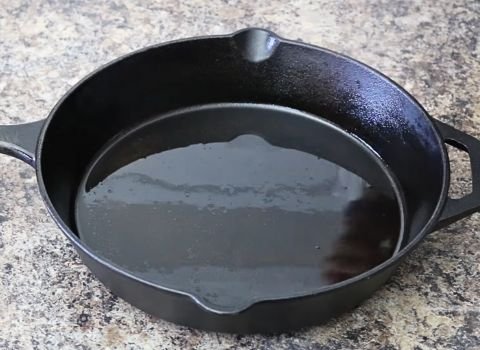
Grease a griddle or baking pan with cooking spray, butter, or a little oil, and set it aside. Preheat your oven to 500°F.
Step 2 | Create the Flour Well
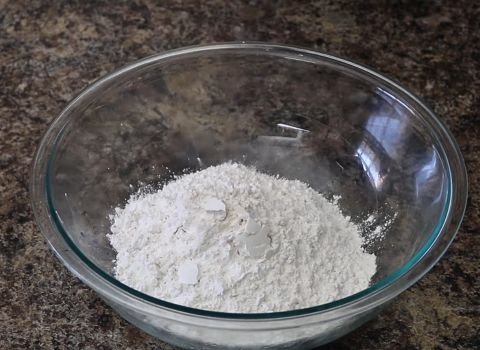
Push the flour up along the sides of the bowl to make a well in the center, like a little nest. Keep the walls tall and hollow in the middle. This will hold your fat and buttermilk.
Do not flatten the flour back down; the walls help guide your mixing.
Step 3 | Add Fat and Buttermilk
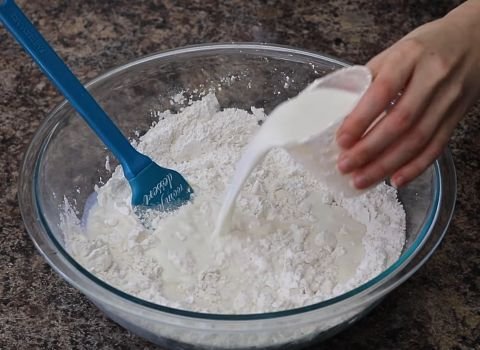
Drop in about two spoonfuls of shortening or lard into the flour well. Then pour about 1 cup of buttermilk into the center well over the shortening. The liquid should cover the fat.
Don’t skimp – biscuits need enough moisture to stay soft and tender. You can add a little more if needed.
Step 4 | Mix With Your Hand or Spoon
Insert one hand or spoon into the bowl, keeping the other hand clean. Mash the fat into the buttermilk using your fingers.
Gradually pull flour from the sides into the wet mixture, mixing in small amounts at a time. Move your fingers in a circular motion, letting the dough thicken and become shaggy.
Avoid overmixing; some dry flour around the edges is fine.
Step 5 | Continue Mixing Until Combined
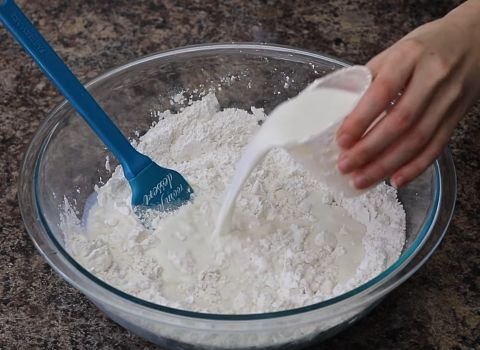
Keep mixing until most of the flour is incorporated and the dough looks rough and uneven. This should take about 2 minutes.
Stop when the dough is shaggy and thick but not smooth – overmixing can make biscuits tough.
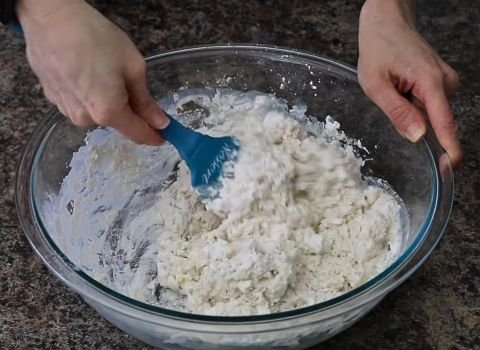
Step 6 | Clean Your Hands and Prepare Surface
Use your clean, dry hand to pinch off dough from your messy hand, finger by finger. Rub your hands together with a pinch of dry flour to pick up remaining sticky dough.
Flour your countertop or cutting board well to prevent sticking and dust your hands lightly with flour.
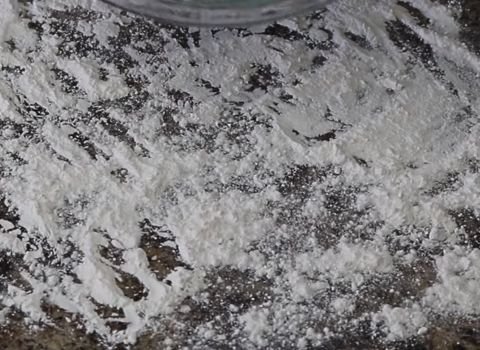
Step 7 | Turn Out and Shape the Dough
Gather the dough from the bowl and place it on the floured surface. Gently pull the edges of the dough toward the center and fold a few times, turning slightly between folds.
This layering makes biscuits flaky. The top will start looking smoother without kneading like bread.
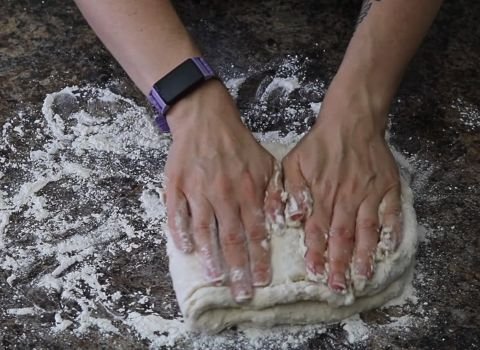
Step 8 | Pat Down the Dough
Using floured hands, gently pat the folded dough to about ½–¾ inch thick. Avoid rolling with a pin; hand-patting preserves the flaky layers.
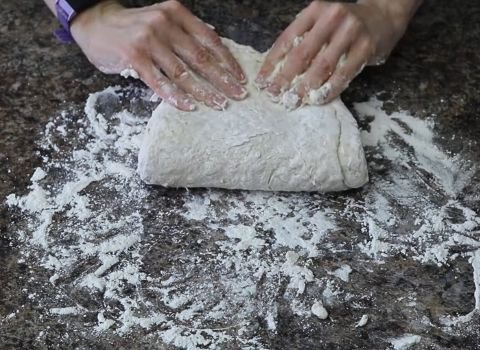
Step 9 | Cut Your Biscuits
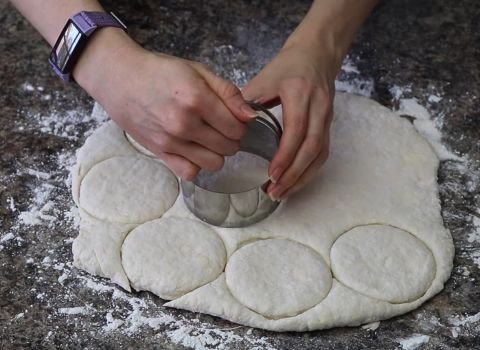
Press a biscuit cutter or round can straight down into the dough without twisting. Remove the cut biscuits and place them on the greased pan, touching each other slightly to encourage rising.
Gather leftover dough gently, pat it together, and cut additional biscuits. Don’t overwork the scraps – they may be slightly less perfect but still tasty.
Step 10 | Bake at High Heat
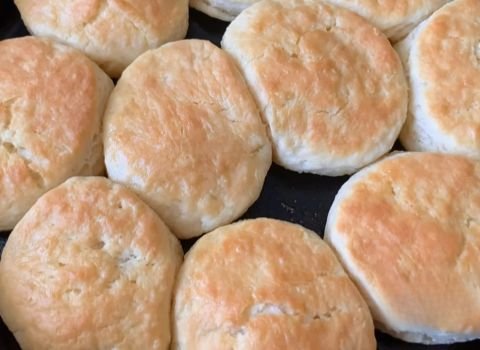
Bake the biscuits in your 500°F oven for 8–10 minutes. Check at 8 minutes; tops should be light golden brown, and the bottoms should feel firm but not hard.
High heat cooks biscuits quickly, keeping the inside soft.
Step 11 | Butter While Hot
Remove biscuits from the oven and let them cool for a minute. Split one open and spread butter inside while still hot. The butter melts into the layers, making them extra delicious.

Tips for Perfect Biscuits Every Time
- Keep Everything Cold: Your fat should be cold. Your buttermilk can be cool too. Cold ingredients help create flaky layers. Warm fat melts too soon and makes dense biscuits.
- Use a Light Touch: When cutting biscuits, press down firmly but don’t twist. When folding dough, be gentle. Heavy handling creates tough biscuits. Light handling creates tender ones.
- Adjust Buttermilk as Needed: Different flours absorb liquid differently. Start with less buttermilk. Add more until the dough looks wet and sticky. It should be almost too wet to handle. This makes light, fluffy biscuits.
- Use a Sharp Cutter: Press straight down without twisting to help biscuits rise evenly and maintain layers.
Make Ahead Tips
The dough can be shaped ahead of time. Cut the biscuits and place them on a tray lined with parchment paper. Place the tray in the freezer until the biscuits firm up. Once solid, store them in a sealed bag.
They can be baked straight from the freezer at the same temperature. They may need a few extra minutes, but the texture stays soft and good. This helps when mornings feel busy and fast.
Storage and Reheating Tips
Place leftover biscuits in an airtight container once cool. Store them at room temperature for one day or in the fridge for several days.
To reheat biscuits, wrap them in foil. Place them in a 350 degree oven for 10 minutes. They will taste almost fresh. The foil keeps moisture inside.
You can also use a microwave. Heat one biscuit for 15 to 20 seconds. Do not overheat or they get tough.
What to Serve with This Biscuits
These biscuits go with almost any meal.
For breakfast, split them open and add fried eggs. Put a slice of cheese on top. Or spread them with butter and jam. Honey tastes wonderful on warm biscuits too.
At lunch or dinner, serve biscuits next to soup. They soak up broth beautifully. Chicken soup and biscuits make a perfect pair. Vegetable soup works great too.
For a real southern treat, make biscuits and gravy. Pour white sausage gravy over split biscuits. This is a classic breakfast that fills you up. Or try biscuits with fried chicken.
Sweet options work well too. Open a biscuit and fill it with fresh strawberries and whipped cream. This makes a simple shortcake dessert.
Brenda Gantt White Lily Buttermilk Biscuits Recipe FAQs
1. How soft should my dough feel for this recipe?
The dough should feel slightly sticky yet easy to shape when pressed with light hands. It should not feel dry or stiff, as that may cause the biscuits to lose their tender bite. The dough should cling a little but not fully attach to your fingers. This balance helps the biscuits rise well in the oven and stay soft inside.
2. What can I use instead of a biscuit cutter?
A clean metal can with the ends removed or a round jar lid works well. The shape should be firm enough to press straight down into the dough. Avoid twisting the cutter as this tightens the edges and affects rising. Many home cooks use simple kitchen items with great results.
3. How do I keep my biscuits from turning dry?
Dry biscuits often come from over-mixing or extra flour added during shaping. Cold ingredients also help trap moisture during baking. High heat keeps the biscuits soft in the center.
Make sure the dough stays light and handle it with a gentle touch to prevent dryness.
4. My dough is very sticky. What should I do?
That is normal. Use flour on your hands and on the surface when you shape the dough. Do not add more flour to the dough itself. Adding too much flour makes biscuits dry.
5. Can I make these biscuits without a skillet?
Absolutely. You can use a regular baking sheet or a cake pan. Just make sure to grease it lightly before placing the biscuits on it.

Brenda Gantt White Lily Buttermilk Biscuits Recipe
Make soft, flaky Brenda Gantt White Lily Buttermilk Biscuits Recipe in 25 minutes. Perfect homemade biscuits for breakfast, lunch, or dinner.
Ingredients
- White Lily Self-Rising Flour: 3 cups (or 3 cups all-purpose flour + 4 ½ tsp baking powder + ¾ tsp salt)
- Cold Vegetable Shortening or Lard: ½ cup (about 2 egg-sized lumps)
- Buttermilk (full-fat): 1 cup
- Extra Flour for Dusting: 2–3 tbsp
- Butter for Serving (optional): 2–4 tbsp
Instructions
- Take out a large, completely dry bowl for your biscuit dough. Measure about 3 cups of White Lily Self-Rising Flour and add it to the bowl. Don’t pack the flour - just scoop and level so it stays light and fluffy.
- Grease a griddle or baking pan with cooking spray, butter, or a little oil, and set it aside. Preheat your oven to 500°F. This high temperature is key for biscuits that are soft inside and lightly golden outside.
- Push the flour up along the sides of the bowl to make a well in the center, like a little nest. Keep the walls tall and hollow in the middle. This will hold your fat and buttermilk. Do not flatten the flour back down; the walls help guide your mixing.
- Drop in about two spoonfuls of shortening or lard into the flour well. Then pour about 1 cup of buttermilk into the center well over the shortening. The liquid should cover the fat. Don’t skimp - biscuits need enough moisture to stay soft and tender. You can add a little more if needed.
- Insert one hand or spoon into the bowl, keeping the other hand clean. Mash the fat into the buttermilk using your fingers. Gradually pull flour from the sides into the wet mixture, mixing in small amounts at a time. Move your fingers in a circular motion, letting the dough thicken and become shaggy. Avoid overmixing; some dry flour around the edges is fine.
- Keep mixing until most of the flour is incorporated and the dough looks rough and uneven. This should take about 2 minutes. Stop when the dough is shaggy and thick but not smooth - overmixing can make biscuits tough.
- Use your clean, dry hand to pinch off dough from your messy hand, finger by finger. Rub your hands together with a pinch of dry flour to pick up remaining sticky dough. Flour your countertop or cutting board well to prevent sticking and dust your hands lightly with flour.
- Gather the dough from the bowl and place it on the floured surface. Gently pull the edges of the dough toward the center and fold a few times, turning slightly between folds. This layering makes biscuits flaky. The top will start looking smoother without kneading like bread.
- Using floured hands, gently pat the folded dough to about ½–¾ inch thick. Avoid rolling with a pin; hand-patting preserves the flaky layers.
- Press a biscuit cutter or round can straight down into the dough without twisting. Remove the cut biscuits and place them on the greased pan, touching each other slightly to encourage rising. Gather leftover dough gently, pat it together, and cut additional biscuits. Don’t overwork the scraps - they may be slightly less perfect but still tasty.
- Bake the biscuits in your 500°F oven for 8–10 minutes. Check at 8 minutes; tops should be light golden brown, and the bottoms should feel firm but not hard. High heat cooks biscuits quickly, keeping the inside soft.
- Remove biscuits from the oven and let them cool for a minute. Split one open and spread butter inside while still hot. The butter melts into the layers, making them extra delicious.
Nutrition Information:
Serving Size: (per biscuit, without butter)Amount Per Serving: Calories: 180Total Fat: 7gSaturated Fat: 3gCholesterol: 0 - 5mgSodium: 320mgCarbohydrates: 27gFiber: 1gSugar: 1gProtein: 4g
The Brenda Gantt White Lily Buttermilk Biscuits Recipe brings together simple ingredients that create warm, soft biscuits with ease.
With light flour, cold fat, and steady steps, this method offers a comforting batch any time.
These biscuits keep their soft crumb and gentle flavor, making them a trusted part of many meals.
